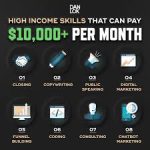
Finding the right online skill development can be tough. This guide offers a clear path. Learn how to pick platforms, stay focused, and use new skills. Start your learning journey today for a brighter future.
What Does It Mean to Learn New Skills Online?
Learning new skills online means using the internet to gain knowledge. You use websites and apps. These teach you things you didn’t know.
It could be a new language. It could be how to code. It could be art or cooking.
You do it from your home. Or anywhere with internet. You set your own pace.
This is very different from old school learning.
Why is this important now? The world changes fast. Old skills might not be enough.
New jobs need new skills. Online learning helps you keep up. It helps you get better jobs.
It makes you more interesting. You can even start your own business.
This guide will break it down. We will look at different ways to learn. We will talk about staying motivated.
We will show how to use what you learn. You will feel more confident. You will know where to start.
Let’s explore this exciting world together.
My First Online Learning Fumble
I remember a few years back. I wanted to learn web design. I thought it would be simple.
I found a flashy website. It promised me I’d be a pro in weeks. I paid the money.
Then I opened the first video. It was a man talking fast. He used big words.
I didn’t understand much. I felt lost. The videos were long.
The exercises were hard. I felt frustrated. I gave up after a week.
It felt like a waste of time and money. That was my first big mistake. I didn’t look closely at what I was buying.
I felt a bit silly. But I learned a lot from it. It taught me to be more careful.
It showed me that not all online courses are the same. Some are great. Others are not.
You need to do your homework. You need to find what works for you. It’s a journey.
And sometimes, you trip a little.
Choosing the Right Online Course
Look at the Teacher: Is the teacher an expert? Do they have real experience? Check their background.
Read Reviews: What do other students say? Are they happy? Do they think it’s helpful?
Watch a Sample: Many courses offer free previews. See if you like the teaching style. Does it make sense to you?
Check the Content: Does it cover what you want to learn? Is it up-to-date?
Exploring Different Ways to Learn Online
There are many ways to learn online. Each has its own style. Some are great for beginners.
Others are for more advanced learners.
Online Courses: These are like classes. They have videos, readings, and tasks. Platforms like Coursera, Udemy, and edX offer courses.
Many big schools and companies make these. You can often get a certificate when you finish. This can look good on a resume.
Coding Bootcamps: If you want to learn to code fast, these are for you. They are very intense. They focus only on coding.
They are usually shorter than full university programs. They prepare you for a job quickly.
Tutorials and Videos: Websites like YouTube have millions of free videos. You can learn almost anything. Search for what you need.
Look for clear instructions. Find channels that explain things well. This is a good way to start.
It’s free and easy to access.
Interactive Platforms: Some sites make learning fun. They use games and puzzles. This is good for younger learners.
Or for subjects like math and languages. Duolingo for languages is a good example. Khan Academy is great for many subjects.
Webinars and Workshops: These are live online events. Experts share their knowledge. You can often ask questions.
They are good for learning specific, new topics. Or for networking with others.
Platform Spotlight: A Quick Look
Coursera: University courses, specializations, degrees. Good for formal learning.
Udemy: Wide range of topics, often affordable. Great for practical skills.
edX: Courses from top universities worldwide. High-quality content.
Skillshare: Focus on creative skills. Project-based learning.
LinkedIn Learning: Business, tech, and creative skills. Good for career growth.
Staying Motivated When Learning Alone
This is a big one. Learning online means you are often by yourself. No teacher sees you every day.
No classmates check if you’re working. So, staying motivated is key. It’s like going to the gym.
You need a reason to go. You need to see progress.
Set Clear Goals: What do you want to achieve? Be specific. Instead of “learn guitar,” say “learn to play three songs on guitar by next month.” This gives you something to aim for.
Write it down. Put it where you can see it.
Create a Schedule: Treat your learning like a job. Set aside specific times each day or week. Even 30 minutes is better than nothing.
Consistency is more important than long, rare sessions.
Find a Study Buddy: Connect with other learners online. Join forums or social media groups. Share your progress.
Ask for help. You can even meet up online to study together.
Reward Yourself: When you reach a small goal, give yourself a treat. It could be a coffee break. Or watching a movie.
This positive reinforcement helps. It makes learning feel good.
Remember Your “Why”: Why did you start learning this skill? Was it for a new job? To start a hobby?
To prove something to yourself? Keep that reason in mind. It will push you when things get tough.
Quick Motivation Boosters
Short Bursts: Study for 25 minutes, then take a 5-minute break (Pomodoro Technique).
Change Scenery: If possible, study in different places. A park, a cafe, a different room.
Visualize Success: Imagine yourself using the new skill. How will it feel? What will you do?
Track Progress: Use a planner or app to mark days you studied. Seeing a streak can be very motivating.
The Real-World Application: Making Skills Useful
Learning a skill is only half the battle. The other half is using it. What’s the point of knowing something if you never apply it?
Build Projects: This is the best way to use new skills. If you learn to code, build a small website. If you learn to draw, create a piece of art.
If you learn marketing, plan a small campaign for a friend’s project.
Share Your Work: Show people what you’ve made. Post it online. Talk about it.
This gets you feedback. It also helps you get noticed. It shows potential employers what you can do.
Volunteer: Offer your new skills to a local charity or non-profit. They often need help. This is a great way to gain experience.
You help a good cause too.
Update Your Resume: If the skill is career-related, add it. Mention projects you’ve done. This makes your resume stronger.
It shows you are actively learning and growing.
Teach Others: Even if you’re a beginner, you can help someone else. Explaining a concept to someone else solidifies your own understanding. You could start a small study group.
Applying Skills: What I Learned
Scenario: Learned basic photo editing.
Action: Offered to edit photos for a local community event.
Result: Got practical experience. Received positive feedback. Added event photos to my online portfolio.
It led to a small paid gig later.
Navigating the Challenges of Online Learning
It’s not always smooth sailing. There are common problems people face. Knowing them helps you prepare.
Information Overload: There’s so much online. It’s easy to get lost. You might jump from topic to topic.
Try to stick to one course or path at a time. Focus helps you learn deeply.
Technical Issues: Slow internet. Glitchy software. Computer problems.
These can stop your learning. Make sure you have a reliable connection. Check your computer is up to speed.
Have a backup plan if you can.
Lack of Feedback: Sometimes, you don’t know if you’re doing something right. Especially in creative fields or coding. Seek out forums.
Ask questions. Find mentors if you can.
Distractions at Home: Family, pets, chores. Your home is full of distractions. Try to create a dedicated study space.
Even a corner of a room can work. Communicate with your family about your study times.
Feeling Isolated: Learning alone can be lonely. It’s good to connect with others. Online communities can help.
Seeing others struggle and succeed is encouraging.
Problem vs. Solution
Problem: Too much information.
Solution: Stick to one structured course. Set clear learning goals.
Problem: Home distractions.
Solution: Create a study zone. Set clear boundaries with family.
Problem: Lack of feedback.
Solution: Join online communities. Ask for critique.
Choosing the Right Platform for Your Goals
Not all learning platforms are created equal. Your choice depends on what you want to learn and how you learn best.
For Career Changers: Look at platforms like Coursera, edX, or Udacity. They offer professional certificates and nanodegrees. These are designed to get you job-ready.
Coding bootcamps are also excellent here.
For Hobbyists and Creatives: Skillshare, Domestika, or YouTube are great. They offer classes on art, music, writing, and more. The focus is often on passion projects.
For Quick Skills: Udemy has a vast library. You can find short courses on almost anything. They are often very affordable.
This is good for learning a specific tool or technique.
For Academic Learning: Coursera and edX partner with universities. You can take courses that are similar to college classes. Some offer credit or even full degrees.
For Free Learning: Khan Academy is amazing for core subjects. YouTube has endless free tutorials. Many platforms offer free courses or free trials.
Quick Platform Match
Want a Degree? Coursera, edX
Learn a New Software? Udemy, LinkedIn Learning
Creative Arts? Skillshare, Domestika
Basic Math or Science? Khan Academy
Coding Fast? Udacity, Bootcamps
The Importance of Practice and Repetition
Learning a skill is like building muscle. You need to practice often. Repetition makes the skill stick.
Consistent Practice: Short, frequent practice sessions are better than one long session. Aim for daily practice if possible. Even 15-30 minutes a day makes a big difference over time.
Deliberate Practice: Don’t just go through the motions. Focus on the parts you find difficult. Push yourself.
Try to improve specific areas. This is more effective than just repeating what you already know.
Review Regularly: Go back over older lessons or topics. This helps reinforce your memory. It ensures you don’t forget what you’ve learned.
Many online courses have built-in review features.
Apply Knowledge in New Ways: Try to use your skill in slightly different situations. If you learned to bake bread, try a new type of flour. If you learned a new language phrase, use it in a different context.
Practice Makes Perfect: Tips
Schedule it: Put practice time in your calendar.
Be Patient: Progress takes time. Don’t get discouraged.
Seek Challenges: Don’t shy away from difficult tasks.
Review Notes: Look back at what you learned.
When to Seek Expert Help or Mentorship
While online learning is great, sometimes you hit a wall. That’s when expert help is invaluable.
When You’re Stuck: If you’ve tried everything and still can’t solve a problem, it’s time to ask. Online forums are a good place to start.
For Personalized Feedback: A mentor or instructor can give you feedback tailored to you. They can spot habits you might not notice. This is crucial for refining skills.
To Understand Complex Concepts: Some topics are hard to grasp from videos alone. A mentor can explain them in a way that makes sense to you. They can use analogies or examples that resonate.
For Career Guidance: If you’re learning a skill for your job, a mentor can offer advice. They can share industry insights. They can help you navigate career paths.
How to Find Help: Look for online communities related to your skill. Many platforms have Q&A sections. Some offer paid coaching or mentorship programs.
LinkedIn can be a good place to find professionals in your field.
Finding a Mentor
Be Clear: Know what you want from a mentor.
Be Polite: Ask respectfully for their time and advice.
Be Prepared: Have specific questions ready.
Be Grateful: Thank them for their help.
Measuring Your Progress and Success
How do you know if you’re actually learning? You need ways to measure your progress.
Quizzes and Tests: Many online courses have these. They check your understanding of the material.
Completing Projects: As mentioned, projects are a great measure. Successfully finishing a project shows you can apply what you learned.
Skill-Based Assessments: Some platforms offer tests that assess your proficiency in a skill. For example, coding tests or design challenges.
Feedback from Others: Ask friends, family, or online communities to review your work. Their opinions can show you where you stand.
Self-Reflection: Take time to think about what you’ve learned. Can you explain it to someone else? Do you feel more confident in the skill?
This personal growth is a significant success.
Progress Tracking Methods
Portfolio: A collection of your best work.
Certificates: Proof of course completion.
Skill Badges: Digital awards for mastering skills.
Self-Assessment: Regular check-ins on confidence and knowledge.
Is Online Learning Right for Everyone?
Online learning is flexible and accessible. But it requires certain qualities.
Self-Discipline: You need to be able to push yourself. You must manage your own time. If you struggle with motivation, online learning might be hard.
Basic Tech Skills: You need to know how to use a computer and navigate the internet. You need to be comfortable with online platforms.
Patience: Learning takes time. You won’t become an expert overnight. You need to be patient with yourself and the process.
Clear Goals: Knowing what you want to learn helps a lot. Without a goal, it’s easy to drift. Having a purpose keeps you focused.
If these sound like you, then yes, online learning is a fantastic option. If you find these challenging, consider blended learning or in-person classes. Or, focus on building these skills first!
Online Learning Traits
Pros: Flexible, affordable, vast choice, self-paced.
Cons: Requires self-discipline, less face-to-face interaction, potential for isolation.
Best For: Motivated, independent learners.
Future Trends in Online Skill Development
The world of online learning is always changing. New tools and methods keep appearing.
Artificial Intelligence (AI): AI is making learning more personal. It can create custom learning paths. It can offer instant feedback.
AI tutors are becoming more common.
Virtual Reality (VR) and Augmented Reality (AR): These technologies offer immersive learning. Imagine practicing surgery in VR. Or seeing historical sites come to life with AR.
This is great for hands-on skills.
Micro-learning: Learning broken down into very small, digestible pieces. Short videos, quick quizzes. This fits busy schedules and keeps attention.
Gamification: Using game-like elements in learning. Points, badges, leaderboards. This makes learning more fun and engaging.
Skills-Based Hiring: Companies are looking more at what you can do, not just your degree. Online learning helps you build these in-demand skills.
What’s Next?
AI-powered personalized learning paths.
Immersive VR/AR training experiences.
Bite-sized micro-learning modules.
Gamified learning for better engagement.
Conclusion: Your Learning Adventure Awaits
Learning new skills online is a powerful tool. It opens doors to new jobs and hobbies. It helps you grow as a person.
Don’t let the confusion stop you. Start small. Pick one skill.
Find a good platform. Stay motivated. Apply what you learn.
Your journey to new skills is just beginning. Enjoy the process!
What are the best platforms to learn new skills online?
Some of the best platforms include Coursera, edX, Udemy, Skillshare, and LinkedIn Learning. The best choice depends on the skill you want to learn and your learning style. Coursera and edX are great for academic and professional courses.
Udemy offers a wide variety of practical skills. Skillshare focuses on creative arts. LinkedIn Learning is good for business and tech skills.
How can I stay motivated when learning online?
Staying motivated involves setting clear goals, creating a study schedule, finding a study buddy, rewarding yourself for progress, and remembering your original reasons for learning. Breaking down tasks into smaller steps also helps.
Is it possible to get a job with online-learned skills?
Yes, absolutely. Many employers value practical skills gained through online courses and projects. Building a strong portfolio of your work and being able to demonstrate your abilities is key.
Certifications from reputable platforms can also help.
How long does it take to learn a new skill online?
The time it takes varies greatly depending on the skill’s complexity and the amount of time you dedicate. Simple skills might take a few hours or days, while complex ones like programming or a new language can take months or even years of consistent practice.
What’s the difference between a course and a webinar?
A course is typically a longer, structured program with multiple lessons, assignments, and learning objectives, designed for in-depth learning. A webinar is a live, often shorter, online seminar or presentation focused on a specific topic, usually with a Q&A session.
How can I use newly learned skills in real life?
To use your skills, create projects that showcase them. Offer your skills for volunteer work, freelance gigs, or personal projects. Update your resume or online profiles.
Share your work with others to get feedback and build a portfolio.