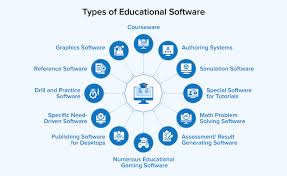
Educational software comparison helps you understand different learning tools. It highlights features, benefits, and how each program supports student growth. Making an informed choice means finding software that aligns with learning goals and user needs for effective education.
What is Educational Software?
Educational software is basically computer programs. They are made to help people learn. Think of it as a digital tutor.
It can teach new subjects. It can also help practice skills you already have. These tools can cover many topics.
They range from math and reading to science and history. They can also include coding or art.
The goal is clear. It’s to make learning fun and easy. It also aims to make it effective.
This software uses different ways to teach. It might use games, quizzes, or interactive lessons. Some software is for young kids.
Others are for older students or even adults. The world of learning tools is vast.
Why does it matter? Because the right tools can spark a lifelong love of learning. They can fill gaps in knowledge.
They can also offer new ways to think. In today’s world, technology is key. Smart use of educational software can unlock potential.
It helps students and teachers alike.
My Own Digital Learning Adventure
I remember when my daughter, Lily, was struggling with fractions in third grade. Her teacher suggested a few online games. I tried one that looked bright and colorful.
Lily played for about five minutes. Then she got bored. The questions felt too random.
It didn’t really explain why a half is bigger than a fourth. I felt a pang of worry. Was she falling behind?
I spent hours later that week searching for better options. I felt so lost amongst the ads and buzzwords. It was overwhelming.
I just wanted something that would click for her.
Then, I stumbled upon a different kind of platform. It was less about flashy games. It was more about step-by-step learning.
It showed clear visuals. It used simple language. It let Lily work at her own pace.
When she got something wrong, it explained the mistake gently. It didn’t just say “try again.” It showed her where she went off track. Watching her face light up as she finally grasped adding fractions was pure relief.
That experience taught me a huge lesson. Not all educational software is created equal. The design and approach make all the difference.
Key Features to Look For
- Interactive Lessons: Engaging content keeps students interested.
- Personalized Learning Paths: Software that adjusts to a student’s level.
- Progress Tracking: Tools for parents and teachers to see how a student is doing.
- Clear Explanations: Concepts explained in simple, easy-to-understand ways.
- Gamification: Fun elements like points or badges to motivate learning.
- Offline Access: The ability to use some features without constant internet.
Understanding Different Types of Educational Software
Educational software comes in many shapes and sizes. It’s not just one thing. Some programs focus on specific subjects.
Others cover a wide range of topics. Let’s look at the main types you’ll see.
Subject-Specific Software
This software drills down into one area. Think of math apps. They might focus only on algebra.
Or reading programs that help with phonics. Science software could be about biology or chemistry. These are great if a student needs help with a particular skill.
They offer deep dives into one subject. They often have many practice problems. This helps build mastery in that one area.
Broad Curriculum Software
Other programs try to cover more ground. They might offer lessons for math, science, and English. These are often called learning platforms.
They aim to be a one-stop shop. They can be good for getting a general overview. They might supplement what a student learns in school.
They offer a broader learning experience. This can be helpful for students who need help across several subjects.
Skill-Building Tools
Some software targets very specific skills. This could be typing tutors. Or programs that improve memory.
There are also tools for critical thinking. These focus on how to solve problems. They help students develop cognitive abilities.
They don’t always teach a subject. Instead, they teach how to learn better.
Creative and Project-Based Software
Not all learning is about facts and figures. Some software encourages creativity. Think of drawing programs.
Or tools for making music or videos. Coding apps also fall here. These let students build things.
They learn by doing. They often involve problem-solving. They help students express themselves.
Software Use Cases
- Tutoring: For extra help with homework or difficult topics.
- Enrichment: To explore subjects beyond the school curriculum.
- Remediation: To catch up on missed concepts or skills.
- Test Preparation: For standardized tests like SATs or AP exams.
- Skill Development: To learn new skills like coding or a foreign language.
Comparing Features: What to Look For
When you look at different educational software, you’ll see many options. It’s easy to get lost. But some features are more important than others.
Thinking about what matters most helps you choose.
User Interface and Ease of Use
First, how does it look and feel? Is it easy to navigate? Can a child use it without help?
A cluttered or confusing design makes learning hard. Simple, clean layouts are best. Think about the age group.
Young kids need bright, large buttons. Older students can handle more complex menus. But they should still be clear.
Content Quality and Accuracy
Is the information correct? Is it up-to-date? This is crucial for learning.
Poor content leads to misunderstanding. Look for software from trusted sources. Check if they cite their information.
For younger learners, content needs to be age-appropriate. For older learners, it should be detailed and accurate. Experts should create the content.
Learning Methodology
How does the software teach? Does it match your learning style? Some use rote memorization.
Others focus on understanding. Some use a lot of games. Others are more like digital textbooks.
Think about what works best for the student. Do they learn by doing? Do they need lots of examples?
Do they prefer interactive quizzes?
Assessment and Feedback
How does the software check understanding? Does it give quizzes or tests? More importantly, what kind of feedback does it give?
Does it just say “right” or “wrong”? Or does it explain why? Good feedback helps students learn from mistakes.
It guides them toward the correct answer. Progress tracking is also key here. You want to see how far they’ve come.
Software Comparison Chart: A Quick Look
| Feature | Basic Software | Advanced Software |
|---|---|---|
| User Interface | Simple, may lack polish | Intuitive, engaging, user-friendly |
| Content Depth | Covers basics | In-depth, comprehensive |
| Feedback | Minimal or generic | Detailed, constructive, explains errors |
| Personalization | Limited or none | Adapts to student pace and level |
| Gamification | Rare or basic | Well-integrated, motivating |
Cost and Value: What’s a Fair Price?
Educational software prices vary a lot. Some are free. Others cost a lot of money.
It’s important to think about value. Is the price worth what you get?
Free Software
Many great free tools exist. Khan Academy is a prime example. Many apps offer a free version with ads.
Or limited features. These are good for trying things out. They can be excellent for basic needs.
But sometimes, the ads are distracting. Or you might outgrow the features quickly.
Subscription Models
Most good educational software uses subscriptions. You pay monthly or yearly. This often gives you full access.
It includes all features and updates. This can be cost-effective for long-term use. But you need to make sure you’ll use it.
Otherwise, you’re paying for something unused.
One-Time Purchases
Some software is a one-time buy. You own it forever. This used to be more common.
Now it’s less so. These can be good if you want to avoid ongoing costs. But you might miss out on updates.
Or new features released later.
When comparing costs, think about the student. How much will they use it? What features do they really need?
A cheap program that doesn’t work is a waste. An expensive program used daily can be a great deal. Look for free trials.
Use them to test the waters. See if it’s a good fit before you commit.
Pricing Models Explained
Free: No cost, but may have ads or limited features.
Freemium: Basic version free, advanced features paid.
Subscription: Recurring fee (monthly/yearly) for full access.
One-Time Purchase: Buy once, own forever.
My Experience with Subscription Fatigue
I’ll be honest, I went a bit wild at first. Lily was loving this new learning app. Then my son, Tom, needed help with reading.
So I signed him up for another. Before I knew it, I was paying for five different learning platforms. Each one was good in its own way.
But the cost added up. It felt like a constant drain. Plus, managing logins for everyone became a chore.
I started to feel overwhelmed by the sheer number of subscriptions. It was like digital clutter. I had to take a step back.
I reviewed what each child was actually using. I realized we could consolidate. We found one or two core platforms that did most of what we needed.
It saved money and a lot of mental energy. It taught me to be more strategic with subscriptions. Don’t just jump on every new shiny thing.
Think about integration and true need.
Real-World Context: Where Software Fits In
Educational software isn’t magic. It works best when it’s part of a bigger picture. Think about how and where it’s used.
In the Classroom
Teachers use software in many ways. Some use it for direct instruction. Others use it for practice after a lesson.
It can be a tool for differentiation. This means giving students different tasks based on their needs. Software can help manage large classes.
It can provide data on student progress. But it’s not a replacement for the teacher. It’s a tool to support teaching.
At Home
Parents often use software for homework help. Or for enrichment. It can be a way to make learning fun after school.
Some parents use it for homeschooling. When used at home, it’s important to set limits. Ensure it’s not too much screen time.
Balance it with other activities. Parent involvement is key. Talking about what they’re learning helps.
Hybrid Learning Models
Many schools now use hybrid models. This mixes online and in-person learning. Educational software is vital here.
It bridges the gap between home and school. It allows for flexible learning. Students can access lessons anytime.
This requires good reliable software. It also needs good internet access for everyone.
Common Educational Software Uses
- Homework Support: Helping students with assignments.
- Skill Practice: Reinforcing lessons learned in school.
- Concept Exploration: Learning about new topics in an engaging way.
- Remedial Help: Catching up on areas where a student struggles.
- Gifted Student Programs: Providing advanced challenges.
What This Means for You and Your Learner
So, how do you pick the right software? It depends on who it’s for.
When It’s Just Right
Software is great when it fills a specific need. Is a student bored in a particular subject? Does a child need extra practice?
Is there a topic they’re curious about? When software matches a clear goal, it’s often a good investment. It should make learning easier or more engaging.
It should feel like a helpful tool, not a chore.
When to Be Cautious
Be wary if the software is too complicated. Or if it relies heavily on memorization without understanding. If it causes frustration or boredom, it’s not working.
Avoid programs that seem to be all flash and no substance. If it claims to teach everything instantly, that’s a red flag. Look for software that builds skills gradually.
Simple Checks to Do
Ask your child: Do they like using it? Do they feel like they are learning?
Check progress reports: Are they showing improvement? Are they mastering skills?
Look for explanations: When they make a mistake, does the software help them understand why?
Compare with schoolwork: Does the software’s approach align with what they learn in class?
Red Flags to Watch For
- Constant Errors: Software that glitches or has bugs.
- Overly Complex Interface: Hard for the user to figure out.
- Lack of Explanation: Just telling them they are wrong.
- No Progress Tracking: You can’t see if they are learning.
- Passive Content: Just reading or watching without interaction.
Quick Tips for Choosing and Using Software
Here are some practical steps to make your choice easier.
- Start Small: Don’t buy a year-long subscription for ten programs. Try one or two.
- Use Free Trials: Most offer free periods. Use them wisely.
- Read Reviews: See what other parents and educators say.
- Focus on Your Goal: What do you want this software to achieve?
- Involve the Learner: Ask them what they like and don’t like. Their input is valuable.
- Set Time Limits: Balance screen time with other activities.
- Review Progress Together: Talk about what they’re learning and how they’re doing.
- Check for Updates: Good software gets updated. Make sure it’s still supported.
Your Software Action Plan
Step 1: Define Need: What subject or skill needs help?
Step 2: Research Options: Look for software addressing that need.
Step 3: Trial Period: Test 2-3 top choices with free trials.
Step 4: Get Feedback: Ask the learner what they prefer.
Step 5: Make Choice: Select the best fit based on need, feedback, and value.
Frequently Asked Questions About Educational Software
Is educational software good for all ages?
Yes, educational software exists for almost all ages. This ranges from apps for toddlers learning their ABCs to complex programs for university students. The key is finding software designed for the specific age group and their developmental stage.
What works for a kindergartner won’t work for a high schooler.
Can educational software replace a teacher?
No, educational software is a tool to support learning. It cannot replace a human teacher. Teachers provide complex social interaction.
They offer emotional support. They can adapt lessons on the fly in ways software can’t. Software is best used as a supplement, not a substitute.
How much screen time is too much when using educational software?
This varies by age and individual. General guidelines suggest limiting screen time. For younger children, less is more.
For older students, it can be more integrated. Always balance educational screen time with physical activity, outdoor play, and social interaction. The U.S.
Department of Health and Human Services offers guidance on screen time limits.
What are the benefits of using educational software for students?
Benefits include personalized learning, increased engagement, and access to diverse resources. Software can adapt to a student’s pace. It can make difficult subjects more approachable through games or visuals.
It also allows for practice anytime, anywhere. This helps build confidence and mastery.
Are there any risks associated with educational software?
Risks can include excessive screen time, exposure to inappropriate content, and data privacy concerns. Some software might promote passive learning or be poorly designed. It’s important to choose reputable programs and supervise usage, especially for younger children.
Always check privacy policies.
How do I know if educational software is effective?
Effectiveness can be measured by student engagement and improved understanding. Look for software that shows clear progress tracking. See if the student can explain concepts learned.
If the software helps them solve problems they couldn’t before, it’s likely effective. Consistent positive feedback from the learner is also a good sign.
Final Thoughts on Finding Your Best Fit
Choosing educational software is a journey. It’s about finding tools that empower learners. It means understanding what makes software helpful.
It’s not just about fancy features. It’s about clear explanations and real learning. Take your time.
Use trials. Talk to your child. The perfect software is out there.
It will make learning a brighter adventure for everyone involved.